




Finkelstein & Partners, LLP
(845) 420-1779
Review Us On Google
Finkelstein & Partners, LLP – Winning Serious Injury Lawsuits Since 1959
When a family member enters a nursing home, they deserve to be treated with dignity and care. Unfortunately, abuse and neglect in long-term care facilities happen more often than most people realize, and the consequences for residents can be severe. At Finkelstein & Partners, we represent nursing home residents and their families across New York State when that trust has been broken.
If you suspect a loved one has been harmed in a nursing home, understanding your legal rights is the first step. This page explains what abuse looks like, what protections New York law provides, and how we work with families to pursue accountability.
Common Forms of Nursing Home Abuse in New York Nursing Homes
Abuse in nursing facilities takes many forms, and not all of them leave visible marks. Recognizing what happened to your loved one is often the hardest part of coming forward.
Physical and Emotional Harm
Physical abuse includes hitting, restraining, or otherwise causing bodily harm to a resident. Emotional trauma, sometimes harder to detect, involves threats, humiliation, isolation, or verbal attacks that cause psychological harm. Both forms can be inflicted by staff members, other residents, or visitors, and both create grounds for legal action under New York law.
Neglect and Failure to Provide Medical Care
Neglect occurs when a facility fails to provide adequate food, hydration, medical attention, hygiene, or supervision. This can result in pressure sores, dangerous weight loss, untreated infections, or falls that cause serious injury. Neglect is often systemic, meaning understaffing or poor management practices put many residents at risk simultaneously.
Financial Exploitation of Residents
Financial exploitation involves the unauthorized use of a resident’s money, property, or financial accounts. This can include forged documents, coerced changes to wills or powers of attorney, or outright theft by facility staff members. Older adults with cognitive impairments are particularly vulnerable, and these cases can involve significant financial losses alongside emotional harm.
In The News
Andrew Cuomo Gave Immunity to Nursing Home Execs After Big Campaign Donations
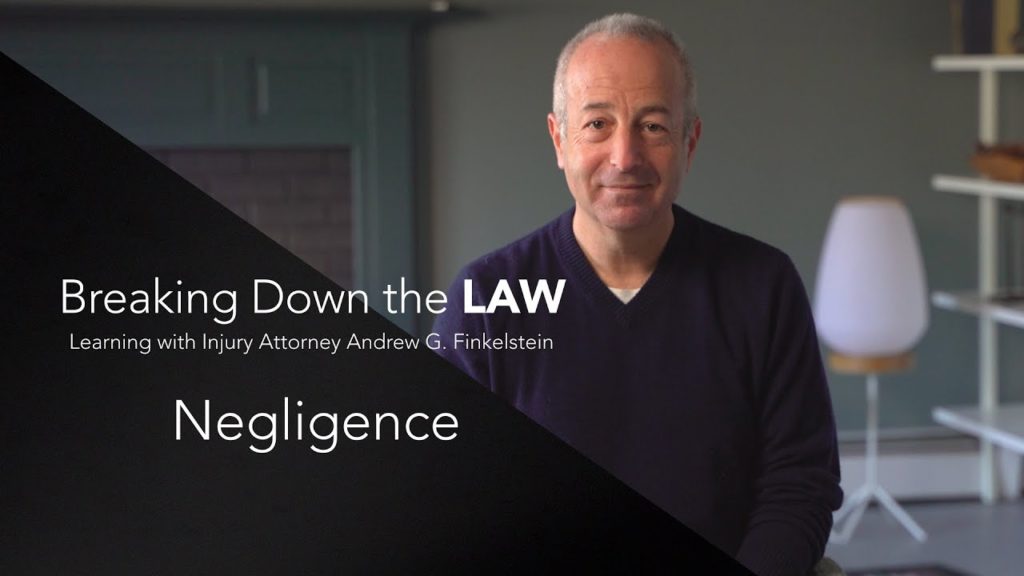
“The reason why neglect happens in nursing homes is executives make business decisions that result in the frontline workers not having the tools – in nursing homes, the manpower – to deliver the services those workers are trained to deliver.”
– Andrew G Finkelstein
Legal Rights New York Nursing Home Residents Have
New York residents in long-term care facilities have clearly defined legal protections. When those protections are violated, families have the right to pursue legal remedies on their loved one’s behalf.
Federal Regulations and State Oversight Frameworks
Federal law under the Nursing Home Reform Act establishes baseline care standards for facilities that receive Medicare or Medicaid funding. New York State adds its own layer of regulation through the New York State Department of Health, which licenses and inspects nursing facilities statewide. These overlapping frameworks mean facilities are held to meaningful standards, and violations can support a civil claim.
What Facilities Are Required to Provide
New York nursing homes must maintain adequate staffing, develop individualized medical care plans for each resident, and respond promptly to changes in a resident’s condition. Facilities are also required to protect residents from abuse by any source, including their own employees. When a facility fails to meet these obligations, it can be held liable for resulting harm.
Resident Rights Under New York Law
New York Public Health Law outlines specific rights for nursing home residents, including the right to be free from abuse and neglect, the right to privacy, and the right to participate in proper care decisions. Residents also have the right to file grievances without fear of retaliation. These rights belong to the resident, and when they are violated, legal action is one way families can seek accountability.
How We Approach New York Nursing Home Abuse Cases
At Finkelstein & Partners, we understand that these situations are emotionally difficult and factually involved. Our goal is to build a thorough case while keeping families informed at every stage.
How We Investigate What Happened
We begin by reviewing medical records, facility inspection reports, staffing logs, and any documentation the facility is required to maintain. We may also consult with medical professionals to establish the connection between the facility’s conduct and the harm suffered by your loved one. This process takes time, but a well-documented case is essential to pursuing meaningful results.
Working Closely with Families
Families often come to us feeling overwhelmed, angry, or uncertain about what steps to take. We take the time to listen, explain the legal process in plain terms, and keep you updated as the case develops. Your involvement matters, and we treat the people we represent as partners throughout the process.
What to Expect When You Work with Us
We handle New York nursing home abuse cases on a contingency basis, meaning you pay no attorneys’ fees unless we recover damages for you. We will be honest with you about the strengths and challenges of your case from the beginning. If your loved one was harmed as a result of abuse, neglect, or a nursing home incident in New York, we encourage you to reach out and discuss what happened.
Frequently Asked Questions About Nursing Home Abuse
If you have questions about nursing home abuse claims in New York State, you are not alone. Below are answers to some of the questions we hear most often from families.
A resident who has been abused or neglected may file a claim directly. In many cases, a family member or appointed legal guardian may file on behalf of a resident who lacks the capacity to do so. If a resident has passed away as a result of neglect or abuse, certain family members may have grounds to pursue a wrongful death claim.
New York’s statute of limitations generally allows two and a half years from the date of the negligent act for medical malpractice claims, which often apply in nursing home cases. Personal injury claims may be subject to different timelines depending on the specific conduct involved. Speaking with an attorney as soon as possible helps preserve your ability to take legal action.
Compensation in nursing home abuse cases can include medical expenses, pain and suffering, and costs related to relocating the resident to a safer facility. In cases involving financial exploitation, recovery of stolen assets may also be possible. Every case is different, and the outcome depends on the specific facts and circumstances involved.
Denial by a facility is common and does not mean a claim lacks merit. We gather evidence, records, and testimony independently of what the facility chooses to disclose. Facilities have legal obligations to maintain and produce documentation, and failure to do so can itself be relevant to a case.
Yes. At Finkelstein & Partners, we handle nursing home abuse cases throughout New York State, not just in the five boroughs.
Whether your loved one lives in the Hudson Valley, the Capital Region, Western New York, or elsewhere in the state, our team is available to help. Geography should not limit your access to legal representation.
Not every bad outcome is the result of actionable misconduct, but many serious injuries in assisted living facilities are preventable and traceable to a facility’s failures. Signs that may indicate abuse or neglect include unexplained injuries, sudden weight loss, untreated wounds, emotional withdrawal, or changes in financial accounts. A consultation with a New York nursing home abuse lawyer can help you understand whether the facts support a legal claim.
New York law prohibits NYC nursing home administrators from retaliating against residents or their families for filing complaints or pursuing legal action. If a resident faces threats, changes in patient care quality, or other adverse treatment after a complaint is made, that conduct can itself become part of the legal record. Documenting any changes in treatment after a complaint is filed is important.
Contact Our NYC Nursing Home Abuse Lawyers for a Free Consultation in Your Nursing Home Abuse Case
If your loved one has been harmed in a New York assisted living facility, you have the right to ask questions and explore your legal options. At Finkelstein & Partners, we work with families across the state to hold negligent facilities accountable. Contact us today to schedule a consultation and learn more about how we may be able to help.
We serve nursing home residents and their families across the state of New York from our offices located in: