


New York Motorcycle Accident Lawyer
WHAT MATTERS MOST
- Motorcyclists have no protection like a car, so crashes often cause severe injuries like broken bones, brain damage, or spinal injuries, even when wearing a helmet.
- Most crashes happen because a driver didn’t see the rider or misjudged their speed, like when a car turns left in front of an oncoming motorcycle.
- You have 3 years to file a claim in New York, and even if you were partly at fault, you can still get some compensation, just reduced by your share of the blame.
Motorcyclists share the road with far larger vehicles, and when a crash happens, the consequences are often severe. Unlike car occupants, riders have no structural protection around them. A collision that might leave a car driver shaken can leave a motorcyclist with broken bones, spinal injuries, or worse. If you or someone you love was hurt in a motorcycle crash in New York, understanding your legal options is one of the most important steps you can take.
New York’s roads present real risks. Whether you were riding on the Thruway, a state highway, or a local road through a small town, the circumstances of your crash matter when it comes to compensation. Finkelstein and Partners has worked with injured motorcyclists across New York, helping them understand what their claims may be worth and what the legal process involves.

This page covers what to do after a crash, how liability works, what a motorcycle accident lawsuit looks like, and what compensation may be available to you.
What to Do After a Motorcycle Accident
Your health comes first. Even if you feel fine after a crash, internal injuries and adrenaline can mask serious symptoms in the hours following an accident.
Seek a medical evaluation immediately, follow your provider’s recommendations, and keep records of every appointment, prescription, and diagnosis. This documentation forms the foundation of any future injury claim.
Document the Scene and Report the Accident
If you are physically able to do so, photograph the scene, your motorcycle, other vehicles involved, and any visible injuries. Collect contact information from witnesses.
Under New York Vehicle and Traffic Law, you are required to report any accident involving injury or significant property damage. Filing a police report creates an official record that can be valuable during the claims process.
Contact an Attorney Before Giving Statements
Insurance companies often reach out to injured riders quickly after a crash. Their adjusters are trained to gather information that may reduce the value of your motorcycle accident claim. Before you provide a recorded statement or accept any offer, speaking with an experienced motorcycle accident lawyer can help you understand what you may be entitled to and protect your right to fair compensation.

Common Causes and Injuries in Motorcycle Crashes
Most motorcycle crashes involve another driver who failed to see the rider or misjudged their speed. Left-turn collisions, where a car turns across an oncoming motorcycle’s path, are among the most common and most dangerous. Other frequent causes include distracted driving, unsafe lane changes, following too closely, and road hazards like potholes or debris.
Identifying the cause is central to establishing who is liable.
The Severe Injuries Riders Typically Sustain
Motorcycle accidents produce a wide range of injuries, many of them serious. Road rash, which is skin and tissue damage from sliding on pavement, can require surgery and leave permanent scarring. Broken arms, legs, and wrists are common when riders brace for impact.
Traumatic brain injuries occur even when helmets are worn, and spinal cord injuries can result in lasting mobility issues. These injuries often require long-term medical care, making full compensation especially important.
New York’s Comparative Fault Rules
New York follows a pure comparative fault system, which means an injured rider can recover damages even if they were partly at fault for the crash. However, any compensation awarded is reduced by the rider’s percentage of fault.
For example, if you were found 20 percent at fault, your recovery would be reduced by 20 percent. This rule makes it important to have strong evidence supporting your version of events.
How a Motorcycle Accident Lawsuit Works
Most motorcycle accident claims begin with a demand to the at-fault driver’s insurance company. If that insurer denies liability or offers an amount that does not reflect the actual harm, filing a motorcycle accident lawsuit may be the appropriate next step. In New York, the statute of limitations for personal injury cases is generally three years from the date of the accident. Missing that deadline typically means losing the right to pursue compensation entirely.
The Investigation and Evidence-Gathering Phase
Before any lawsuit is filed, your attorney will work to build the strongest possible case. This includes gathering the police report, medical records, witness statements, and any available video footage. In some cases, accident reconstruction specialists are brought in to analyze how the crash occurred. The strength of this foundation often determines how a personal injury case resolves, whether through a negotiated settlement or at trial.
Fair Settlement Negotiations and Going to Trial
The large majority of personal injury claims resolve through fair settlement before reaching a courtroom. Once evidence has been compiled and medical treatment is complete or well underway, your attorney will submit a demand package to the insurance company outlining the damages sought. Negotiations follow, and if an agreement cannot be reached, the motorcycle accident case proceeds to trial.
Throughout this process, your attorney’s role is to advocate for a result that reflects your actual losses.
Motorcycle Accident Compensation for Medical Treatment and Other Costs

Motorcycle accident compensation typically includes two categories. Economic damages are the concrete, measurable financial losses you have suffered. These include past and future medical expenses, rehabilitation costs, lost wages during your recovery, and any reduction in your future earning capacity if your injuries affect your ability to work long term.
Property damage to your motorcycle is also recoverable. These losses are calculated using actual records and documentation.
Non-Economic Damages for Pain and Suffering
Beyond financial losses, injured riders may also recover non-economic damages. These account for the physical pain, emotional suffering, and reduced quality of life that result from a serious injury. There is no fixed formula for calculating pain and suffering in New York, but factors like injury severity, recovery time, and long-term limitations all influence the amount.
A thorough presentation of how the injury has affected your daily life is essential to supporting this portion of a motorcycle accident claim.
Wrongful Death Claims in Fatal Accidents
When a motorcycle crash results in a fatality, surviving family members may have the right to bring a wrongful death claim. Under New York Estates, Powers and Trusts Law, certain family members can seek compensation for funeral expenses, lost financial support, and the value of services the deceased would have provided.
These cases carry their own procedural requirements and are handled separately from personal injury claims. Families in this situation should consult with a motorcycle accident lawyer as soon as possible.
Frequently Asked Questions About Motorcycle Accident Claims
If you have questions after a crash, you are not alone. The following addresses some of the most common concerns injured riders and their families bring to us.
In most cases, you have three years from the date of the accident to file a personal injury lawsuit in New York. If the at-fault party is a government entity, the deadline is much shorter and may require a notice of claim within 90 days. Consulting a motorcycle accident attorney soon after your accident ensures you do not miss any applicable deadlines.
New York requires drivers to carry liability insurance, but uninsured drivers do exist. If you are hit by an uninsured driver, your own uninsured motorist coverage may provide a source of compensation. Your motorcycle accident attorney can review your policy and identify all available coverage options.
New York law requires all motorcycle riders to wear helmets. If you were not wearing one and suffered a head injury, the defense may argue that your injuries were worsened by your own conduct. This could reduce your compensation under comparative fault principles, though it does not automatically bar your recovery.
Yes. Under New York’s pure comparative fault rule, you can recover damages even if you share some responsibility for the crash. Your compensation will simply be reduced in proportion to your share of fault. A thorough investigation is key to minimizing any fault attributed to you.
Every case is different, and the value depends on factors like the severity of your injuries, the impact on your ability to work, and the available insurance coverage. There is no way to give a reliable estimate without reviewing the specifics of your situation. An experienced motorcycle accident attorney can evaluate your motorcycle accident case and give you a clearer picture of what your motorcycle accident claim may involve.
Most motorcycle accident lawyers, including those at Finkelstein and Partners, handle cases on a contingency fee basis. This means you pay no attorney fees unless compensation is recovered on your behalf. Your attorney should explain the fee structure clearly before you sign any agreement.
Talk to a Personal Injury Lawyer at Our Law Firm Today About How to Seek Compensation After a Motorcycle Accident
A motorcycle crash can change your life quickly. Medical bills, lost wages, and physical recovery all demand your attention at once. Finkelstein and Partners works with injured riders across New York to evaluate their claims, explain their options, and pursue the compensation they may be entitled to under the law. Contact us today to schedule a consultation and speak directly with someone who handles motorcycle accident cases.
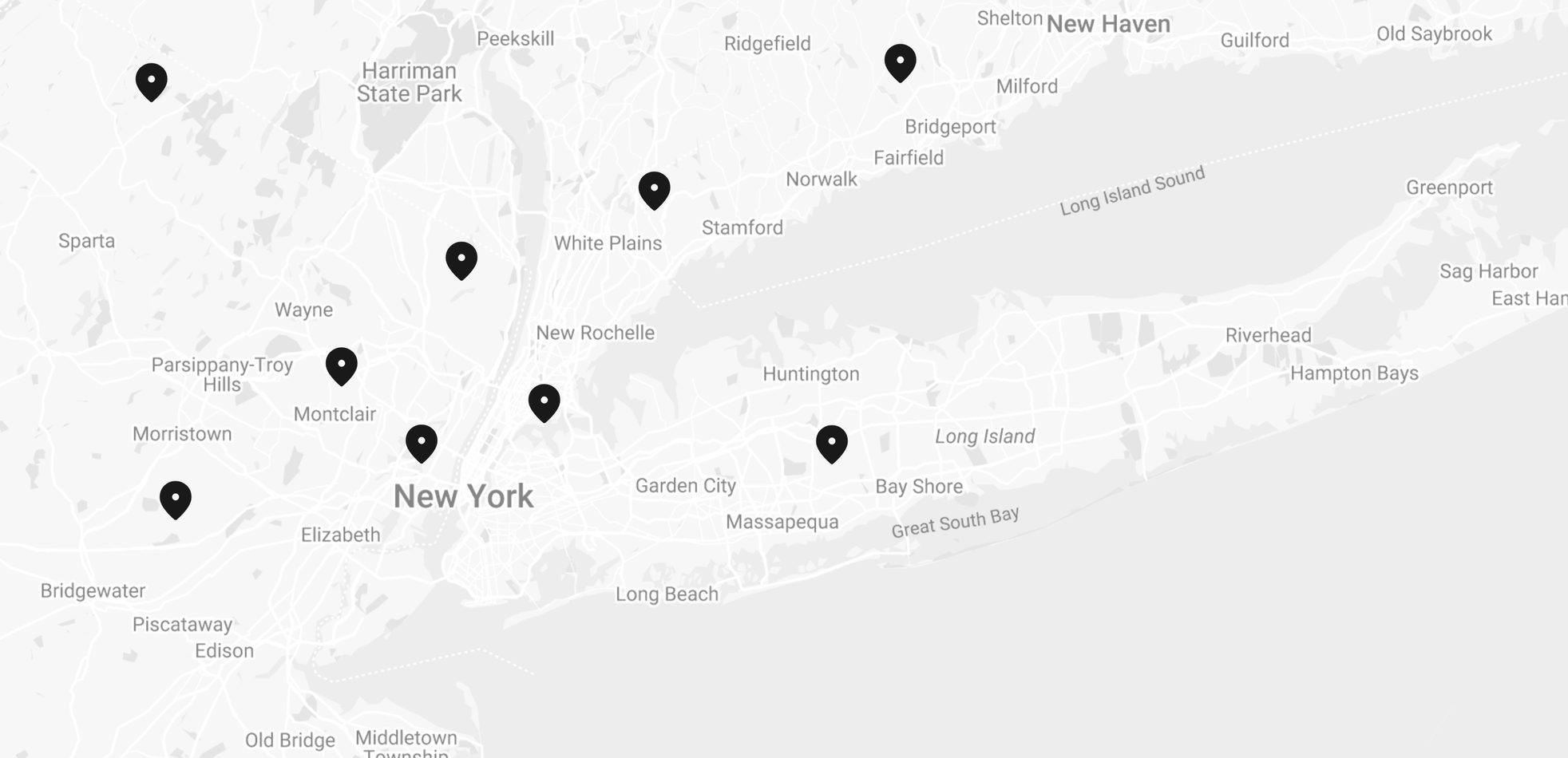
We serve injured motorcycle accident victims across the state of New York from our offices located in:
- Albany
- Binghamton
- Buffalo
- Kingston
- Middletown
- Newburgh
- Poughkeepsie
- Rochester
- Schenectady
- Syracuse
- Wappingers Falls
- White Plains
Litigation
While only a small portion of motorcycle accident claims remain unresolved by the time the trial begins, there is no guarantee that your claim will settle out of court. You need a legal team with ample litigation experience and that is comfortable representing you in court.
Receiving Your Compensation
After you’ve entered into a settlement agreement or the court has decided in your favor, the insurance provider will process your payment and send the check to your attorney. Personal injury attorneys are not paid for their services until there is a positive resolution to the claim. At this time, the attorney will receive their payment, satisfy any medical liens against your settlement, and release the remainder of the funds to you." } },{ "@type": "Question", "name": "What to Do After a New York Motorcycle Accident", "acceptedAnswer": { "@type": "Answer", "text": "You need to protect the value of your motorcycle accident claim after a crash occurs.
These guidelines can prevent insurance carriers from denying a claim and give victims of negligence the best chance of receiving full and fair compensation for their injuries.
Follow doctor’s orders and do not miss any appointments, including physical therapy and other specialized treatment. Keep meticulous records to prove economic loss related to your motorcycle accident injuries, including medical bills, pay stubs, and receipts. Obtain a copy of the official police report from the New York Department of Motor Vehicles. Write your physical, emotional, and financial challenges in a daily journal.
When you contact Finkelstein & Partners for a free consultation, bring all your saved information and provide your attorney with any witness contact information, photos, or videos related to your motorcycle accident and/or your injuries. Your attorney can evaluate your information and advise you on what to save for your case." } }] }