



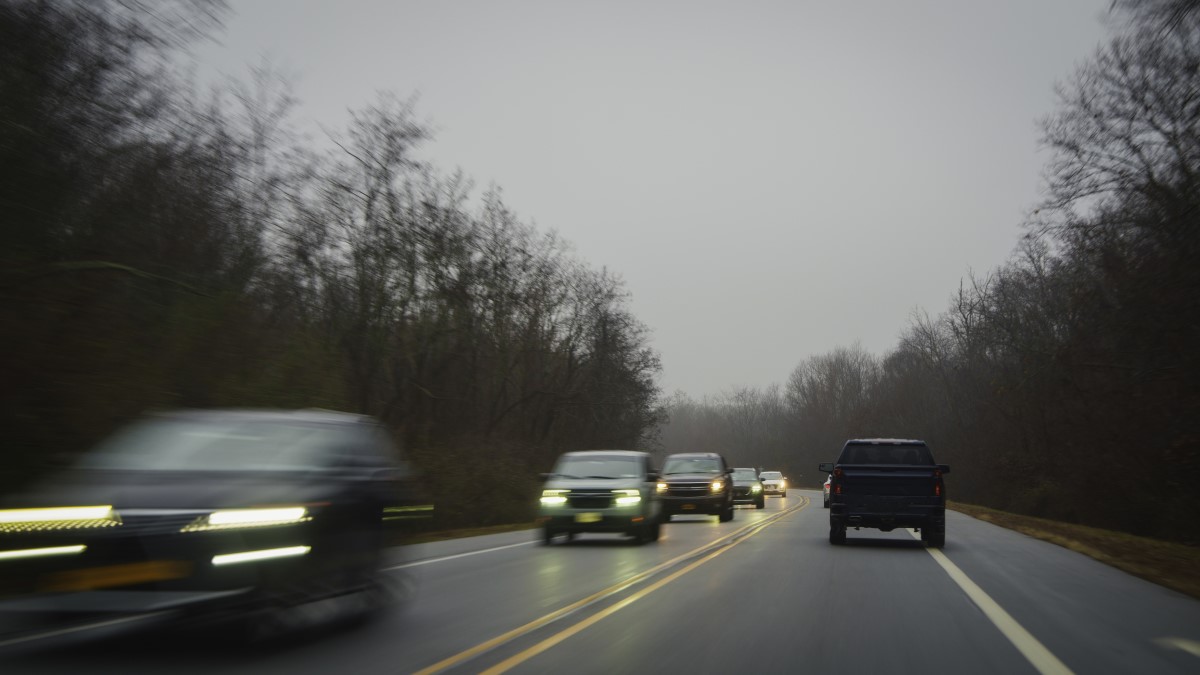
Thanksgiving is one of the busiest travel periods of the year, and millions of Americans will once again take to the roads to spend the holiday with family and friends.
AAA projects 81.5 million Americans will travel at least 50 miles from home during the 2026 Thanksgiving travel period, which runs from Tuesday, November 24 through Monday, November 30. Approximately 72.9 million travelers are expected to travel by car, representing nearly 90% of Thanksgiving travelers.
With so many drivers on the road, New Yorkers should plan ahead, prepare their vehicles, and make safe decisions behind the wheel.
Why Thanksgiving Travel Safety Matters
The increased traffic surrounding Thanksgiving can create additional risks for drivers and passengers.
According to the National Highway Traffic Safety Administration, 286 people were killed in traffic crashes during the 2024 Thanksgiving holiday weekend, and 45% were not wearing seat belts. NHTSA also reports that 868 people were killed in drunk driving crashes during Thanksgiving holiday periods from 2019 through 2023.
Thanksgiving Eve can present additional dangers. In 2023, 92 drivers were involved in fatal traffic crashes on Thanksgiving Eve, and 33% of those drivers were drunk.
These numbers are an important reminder that simple choices, including wearing a seat belt, staying sober, and avoiding distractions, can help protect everyone sharing the road.
Thanksgiving 2026 Driving Safety Tips
Drive Sober
If alcohol is part of your Thanksgiving celebration, make transportation arrangements before the gathering begins.
Alcohol can affect judgment, coordination, and reaction time even before a person realizes they are impaired. NHTSA recommends planning ahead by choosing a designated sober driver, scheduling a rideshare, calling a taxi, staying overnight, or using public transportation when available.
Cannabis and other drugs can also impair driving. NHTSA notes that THC can slow reaction time, affect cognitive performance, and make it more difficult for drivers to remain in their lane.
Buckle Up Every Time
Seat belts remain one of the simplest and most effective ways to protect yourself in a vehicle.
Everyone in the vehicle should buckle up, regardless of how short the trip may be. The importance of seat belt use is especially clear during busy travel periods. NHTSA reports that 45% of the people killed in traffic crashes during Thanksgiving weekend in 2024 were unbuckled.
Prepare Your Vehicle Before a Long Trip
Before traveling for Thanksgiving, take a few minutes to make sure your vehicle is ready for the road.
Check your:
- Tire pressure and tread
- Battery
- Windshield wipers
- Headlights and brake lights
- Oil and other vehicle fluids
- Fuel or electric vehicle charge
AAA reports that it responded to more than half a million emergency roadside assistance calls during last year’s Thanksgiving period, including calls involving flat tires, dead batteries, fuel delivery, lockouts, and towing.
That makes a basic vehicle inspection especially worthwhile before heading out for a long holiday drive.
Avoid Drowsy and Distracted Driving
A long drive after a full Thanksgiving meal can be exhausting. If you become tired behind the wheel, don’t try to push through it.
Share driving responsibilities when possible and take breaks during longer trips. If you’re too tired to continue safely, stop somewhere appropriate and rest before getting back on the road.
Drivers should also put their phones away and avoid texting, scrolling, or handling navigation while the vehicle is moving. Set your route before leaving or have a passenger handle directions.
Plan Ahead for Thanksgiving Traffic
Thanksgiving falls on Thursday, November 26, 2026, and holiday traffic will build during the days leading into the holiday and again as travelers return home afterward.
AAA expects 81.5 million Americans to travel during the Thanksgiving period, including 72.9 million by car. While overall Thanksgiving travel is projected to be slightly lower than in 2025, roads will still be extremely busy.
For New York travelers, leaving additional time is particularly important around major highways, bridges, tunnels, airports, and metropolitan areas.
Before leaving home, check 511NY for current road conditions, construction, closures, and traffic information. Travelers using public transportation should also verify schedules before heading out, as holiday service can differ from normal weekday schedules.
Be Prepared for Changing November Weather
New York weather can shift quickly in late November, particularly for travelers heading through the Hudson Valley, Catskills, Capital Region, and other parts of Upstate New York.
Rain, snow, ice, fog, and freezing temperatures can reduce visibility and make road conditions more difficult.
Before leaving:
- Check the weather forecast along your entire route.
- Allow additional stopping distance in rain, snow, or icy conditions.
- Reduce your speed when road conditions deteriorate.
- Make sure headlights and windshield wipers are working properly.
- Keep an emergency kit in your vehicle with basic supplies.
If conditions become unsafe, delaying your trip may be the safest decision.
Give Yourself Extra Time
Holiday traffic can turn a normally manageable drive into a much longer trip.
Rather than rushing to make dinner, catch a flight, or arrive at a gathering on time, build extra time into your plans. If you encounter congestion, poor weather, or an unexpected road closure, having that flexibility can help reduce the temptation to speed or make aggressive driving decisions.
Make Safety Part of Your Thanksgiving Plans
Thanksgiving should be about spending time with the people who matter most. Whether you’re traveling across the Hudson Valley, heading into New York City, driving Upstate, or simply traveling a few miles to dinner, preparation can make the journey safer.
Drive sober, buckle up, stay alert, prepare your vehicle, and allow plenty of time to reach your destination.
If you or a loved one is injured because of another driver’s negligence this holiday season, Finkelstein & Partners is here to help. Contact us for a free consultation.