



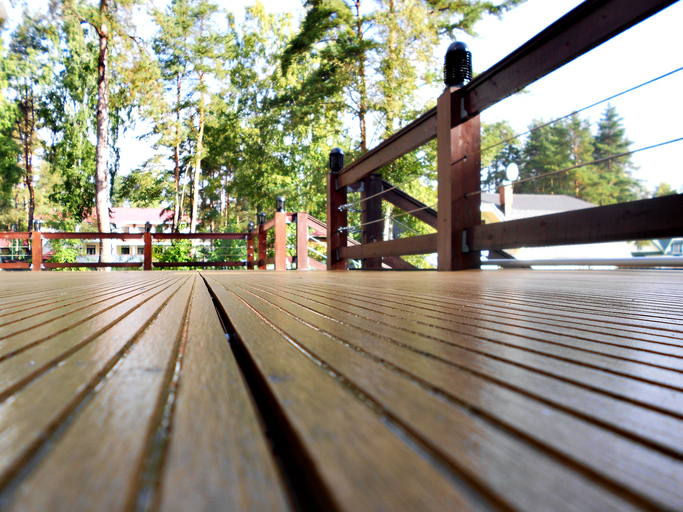
Across New York, outdoor living spaces play an important role in homes, apartment buildings, restaurants, and recreational venues. From backyard gatherings and summer celebrations to outdoor dining and special events, decks, balconies, patios, and porches provide valuable spaces for people to gather. However, when these structures are not properly built, inspected, or maintained, they can pose serious safety risks.
Every year, structural failures involving decks and elevated outdoor structures result in injuries that could often have been prevented through routine maintenance, proper construction practices, and compliance with building safety requirements.
New York’s diverse climate can place significant stress on outdoor structures. Heavy snowfall, freezing temperatures, coastal moisture, summer heat, and seasonal storms can all contribute to deterioration over time. Property owners throughout the state are responsible for ensuring their decks, balconies, porches, and terraces meet applicable safety standards and are maintained in a reasonably safe condition.
According to research published in the International Journal of Structural Engineering, a large percentage of deck failures are linked to ledger board separation, often caused by water damage, corrosion, or improper installation. When a deck collapse or structural failure causes injury, property owners may be held legally responsible under New York premises liability laws.
Common Causes of Deck Failure
A report from the American Society of Civil Engineers identifies several recurring issues that contribute to deck related injuries and collapses:
- Deteriorated beams, joists, posts, or other structural components
- Improper attachment to the primary structure
- Loose, damaged, or unstable guardrails
- Corroded or undersized fasteners and hardware
- Water intrusion and wood rot at critical connection points
- Construction defects or code violations
Deck failures rarely occur without warning. Sagging surfaces, loose railings, visible rot, cracking wood, rusting hardware, and shifting support members can all indicate developing structural problems that require immediate attention.
The Legal Responsibility of Property Owners
Under New York law, property owners generally have a duty to maintain reasonably safe premises for lawful visitors. This responsibility extends to decks, balconies, porches, stairways, and other outdoor structures.
When an injury occurs because a property owner failed to inspect, maintain, repair, or properly construct a deck, they may be held liable for resulting damages. In many cases, legal claims focus on whether the owner knew, or reasonably should have known, about a dangerous condition and failed to address it.
Potentially responsible parties may include:
- Homeowners
- Landlords and property management companies
- Apartment and condominium associations
- Restaurants and hospitality businesses
- Short term rental property owners
- Event venues and recreational facilities
- Contractors responsible for defective construction or repairs
New York courts have repeatedly recognized that negligence involving unsafe property conditions can create liability when foreseeable hazards are not corrected.
Safety Measures That Can Help Prevent Injuries
Routine maintenance and proactive inspections can significantly reduce the risk of deck related injuries. Property owners should consider the following best practices:
- Schedule regular inspections by qualified contractors or structural professionals
- Repair damaged or deteriorating structural components promptly
- Replace rusted hardware, connectors, and fasteners
- Install proper flashing to prevent water damage
- Verify that guardrails comply with current building code requirements
- Avoid overloading decks beyond their intended design capacity
- Address drainage issues that can contribute to moisture intrusion and wood decay
- Seek professional guidance before performing structural repairs or alterations
The North American Deck and Railing Association also provides safety checklists that can help identify potential hazards before they become serious risks.
What to Do After a Deck Related Injury
If you are injured because of a deck collapse, broken railing, structural defect, or another unsafe condition, it is important to take steps to protect your rights.
Consider:
- Seeking immediate medical attention
- Photographing the deck or structure involved
- Preserving evidence when possible
- Collecting witness information
- Reporting the incident to the property owner or manager
- Consulting an experienced personal injury attorney
An investigation may reveal maintenance failures, building code violations, construction defects, or other evidence that contributed to the incident.
Helping Injury Victims Across New York
Unsafe decks and outdoor structures can cause severe injuries that affect victims and their families for years. When property owners fail to maintain safe conditions, they may be held legally accountable for the harm that results.
If you or a loved one has been hurt because of an unsafe deck, balcony, porch, or other outdoor structure, contact Finkelstein & Partners today for a free consultation.